How Automated Ward First Aid Kits (ADCs) Increase Patient Safety
Patient safety largely depends on how effectively the hospital administers medications. Any delay, mistake or lack of medication can lead to serious consequences. Automated Dispensing Cabinets (ADC) is a solution that minimizes the risk of errors in a practical way and supports staff in their daily work.
Risks associated with manual dispensing of medicines
The traditional manual dispensing process is prone to errors and inefficiencies.
The most common problems are:
- Human Mistakes → choosing the wrong drug or dose, skipping the administration.
- Similar packaging and names → increasing the risk of drug substitution.
- Shortages and overdue → resulting from the lack of current inventory data.
- Unauthorized access Especially in the case of controlled drugs.
According to WHO, medication errors are one of the most common causes of avoidable health damage (WHO, 2017, Global Patient Safety Challenge on Medication Safety). Therefore, more and more medical institutions are implementing technologies that reduce the risk of human error.
What is ADC?
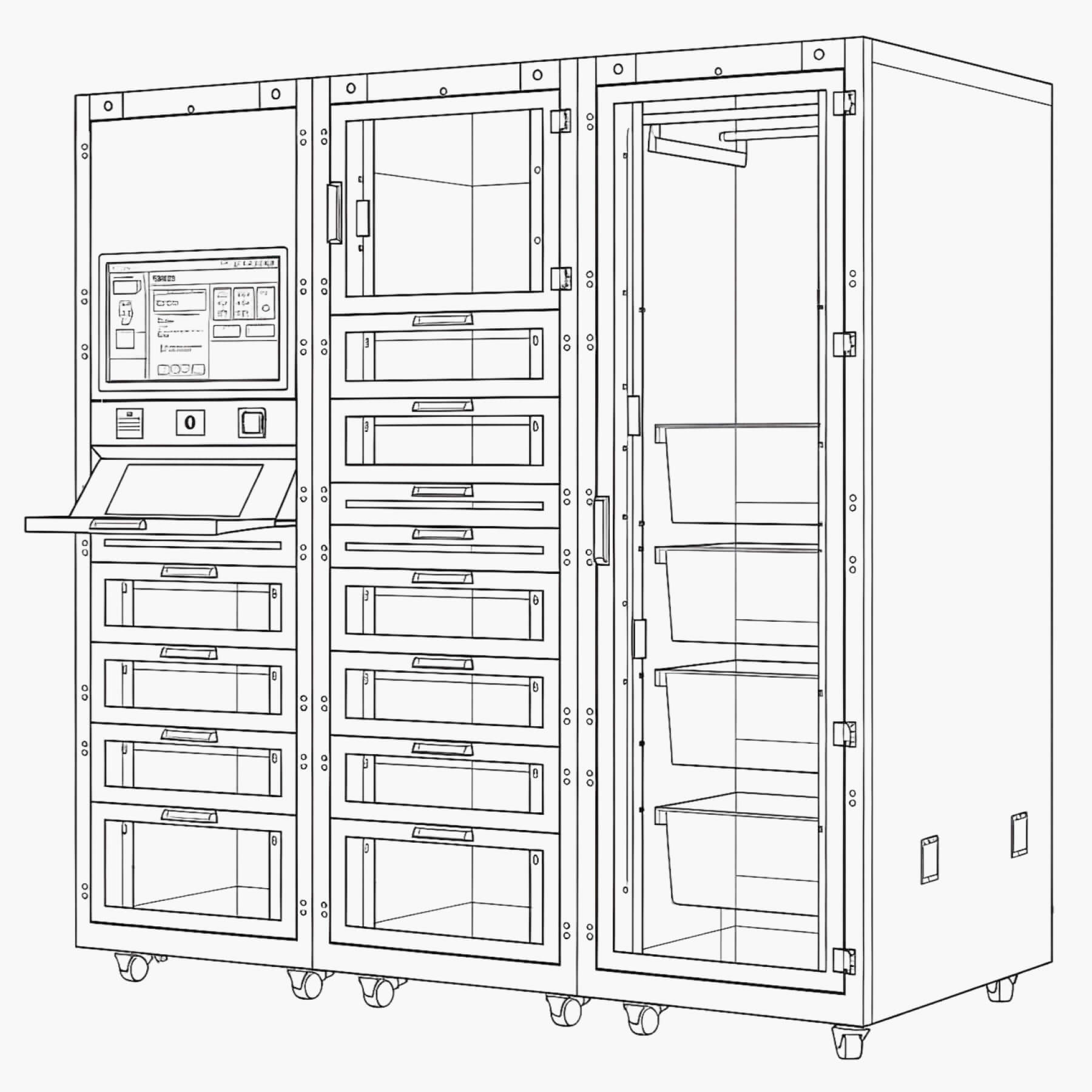
The Automatic Ward First Aid Kit (ADC) is a secure, computerized drug storage system placed directly in the ward. Only authorized employees can access it (e.g. by card). Every operation — collection, return, replenishment — is automatically recorded. The system can be integrated with pharmacy software and electronic medical records, which allows full control and updating of data in real time.
Key benefits for patient safety
- Fewer errors in dispensing and administering medication
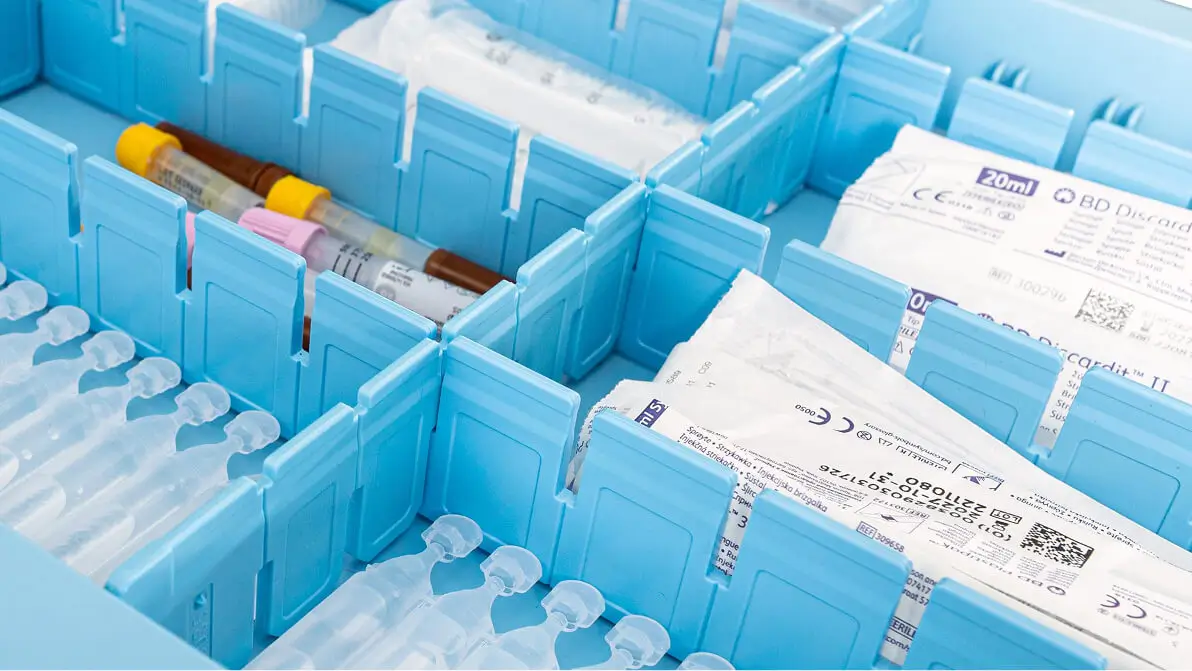
Each drug has its place and is clearly described, which minimizes the risk of confusion. Studies show that the implementation of ADCs can reduce the incidence of medication dispensing and administration errors by up to 60— 70% (Chaudhry et al., Journal of Patient Safety, 2020; PMID: 32317518). - Full access control and abuse prevention
The system records who and when downloaded a particular drug, which reduces the risk of theft and unauthorized use. According to a study published in “Research in Social and Administrative Pharmacy,” automated dispensing systems significantly improve the tracking of controlled drugs and reduce cases of misuse (Lai et al., 2021; DOI: 10.1016/j.sapharm.2020.08.001). - Better inventory management
The ADC constantly monitors stock levels and generates automatic reports so staff knows exactly what and where is available. This eliminates situations where the lack of medication affects the course of treatment. - Faster access to medicines at the point of care
Medicines are available immediately in the department, without having to wait for delivery from the pharmacy. Staff can respond more quickly to patient needs while maintaining full control and process safety. - Accurate documentation and billing
Each operation is automatically saved in the system, which improves the quality of documentation and data compliance between the department and the pharmacy.
How to effectively implement an ADC system?
To take full advantage of the potential of automatic first aid kits, it is worth:
- Start by analyzing the needs of the branch → define objectives: reduction of errors, better inventory control, faster administration of medicines.
- Implement pilot → start in a single department, test the processes and only then expand the application.
- Integrate system with hospital software → this ensures the automatic flow of information about orders and stocks.
- Take care of staff training → a well-trained team is the key to effective and safe use of technology.
- Monitor the effects → track data on errors, medication shortages, response time and staff satisfaction.
summary
Automatic ward first aid kits are not only modern devices — they are primarily a tool that increases patient safety and improves the work of the medical team. Scientific evidence supports that ADCs reduce errors, shorten drug handling times, and increase process compliance with safety rules (Trivedi et al., BMJ Open Quality, 2022).
What's next?
Want to learn how UnitBox technology can help your department increase patient safety? Contact our team — we will prepare an ADC pilot implementation plan and a branch readiness checklist. Patient safety begins with the proper organization of work, and ADC is the best step in this direction.